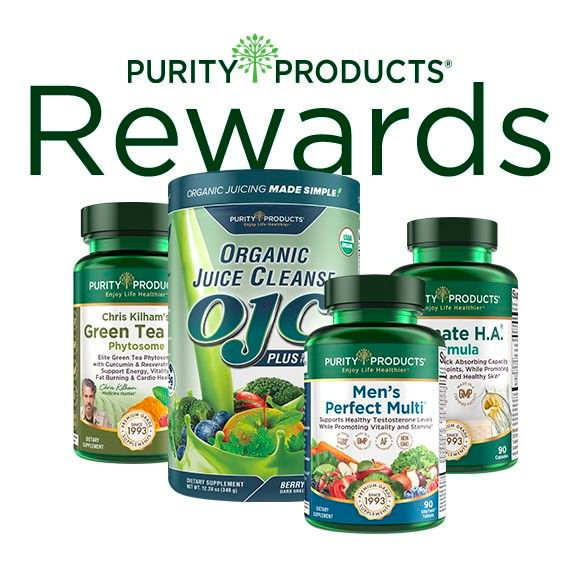



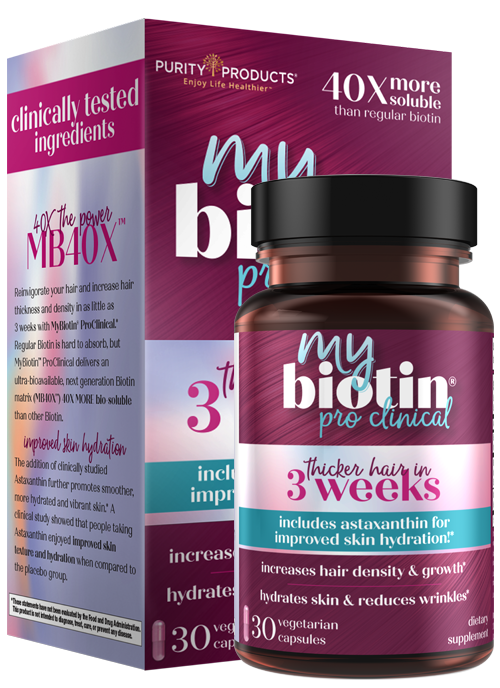
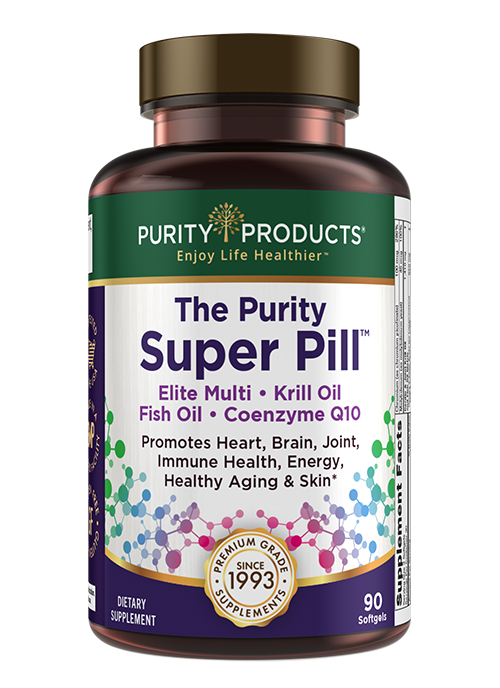
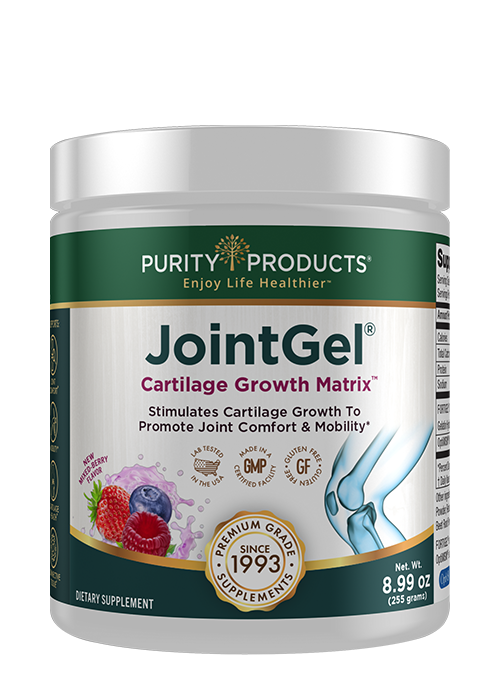
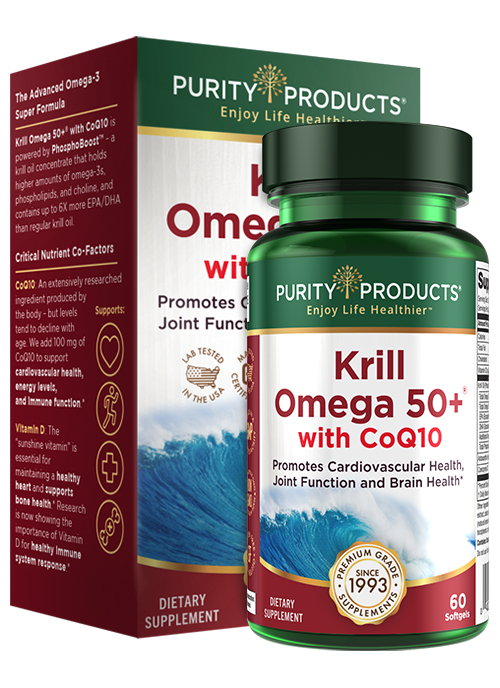
Krill Omega-3 Sport, new from Purity Products

The Krill Omega-3 Sport breakthrough lies in the ground-breaking marriage of ECO Krill Oil with Purity’s elite, ultra-pure, super-concentrated fish oil. Each two soft gel serving contains 1100 mg of omega-3 fatty acids from krill and fish oil. Each serving supplies a minimum of 300 mg of krill oil, in keeping with current krill science that reveals meaningful benefits for joint comfort and flexibility.

A leading choice for discriminating consumers, fitness enthusiasts, amateur, professional and Olympic athletes, supplements carry the badge “NSF Certified for Sport” are tested by a 3rd party laboratory and guaranteed to be free of banned substances.

A little extra vitamin E may boost heart function in former smokers

New research shows that taking a specific form of vitamin E may help accelerate the health benefits of quitting smoking.

According to the Centers for Disease Control and Prevention (CDC), smoking is the nation’s leading preventable cause of death, linked to 443,000 deaths per year, mostly in the form of lung cancer or ischemic hearth disease. Luckily, quitting smoking shows immediately health benefits to anyone who can put down the pack, notes the American Cancer Society. Within hours of quitting smoking, heart rate and blood pressure fall, and within three months both lung function and circulation are improved. Though the body does heal quickly, the damage brought about by smoking can still require a long healing process. It can take as much as ten years for the heart of a former smoker to resemble one of someone who has never smoked, according to Time magazine.

A University of Ohio research team has recently found that an extra dose of a special form of vitamin E  may help boost  the health effects of quitting smoking. For the study, doctors recruited smokers to quit for seven days, with blood markers of inflammation to be measure before and after the trial. Half of the study participants were given and gama-tocopherol form of vitamin E, in addition to abstaining from cigarettes smoking. While all participants showed a marked increase in cardiac function of at least 2.8 percent, those who took the additionally vitamin E supplement saw an additional 1.5 percent increase on average.

The form of vitamin E used in the study is not the type common in over- the-counter supplements. The most common form of vitamin E, the one which humans have a dietary requirement for, is alpha tocopherol. The gamma version of the vitamin is the most common variant found in foods regularly consumed, including peanuts, soy beans, pistachios and cashews.

“We used the gamma tocopherol type in contrast to virtually all other vitamin E studies that use alpha tocopherol,” said study lead author Dr. Richard Bruno, PhD. “Alpha tocopherol  is the one that we know the most about. It is the form that we know is required for humans, but gamma tocopherol is the most abundant form. We used the gamma tocopherol form because not only does it have antioxidant activity, like alpha tocopherol, but recent evidence indicates that it also has effective ability to lower inflammation and also trap what we call reactive nitrogen species. These are chemicals generated in the body that can lead to damage to various proteins.”

Chocolate may protect the brain in a variety of ways

Consuming chocolate in moderate amounts has been shown to be potentially beneficial to physical health as it rich in antioxidants. Recent research now demonstrates that chocolate may also contain ingredients that are actually good for the brain.

One report published in the Journal of Cellular Biochemistry demonstrated that compounds in chocolate activate a neuroprotective pathway that has a direct effect on preventing the death of neurons. Neuron death is responsible for the escalating mental and physical impairment association with Parkinson’s and Alzheimer’s disease.

A separate study published in American Heart Association’s journal Hypertension indicates that flavinols contained in cocoa were effective in reducing the effects of mild cognitive impairment in older adults.

Protecting against neuronal death 
Researchers from University of L’Aquila in Italy found that polyphenols, a class of chemical compounds found in cocoa products, stimulated the production of brain-derived neurotrophic factor (BDNF) in cells treated with beta amyloid plaque or beta amyloid oligomers treated.

Plaques, and their forerunners in the brain oligomers, are both associated Alzheimer’s disease.Beta amyloid is thought to disrupt the communication between neurons, ultimately leading to their death.

The neuroprotective pathway opened by the chocolate also reversed some of the plaque related damage, according to the report

“Our studies indicate for the first time the cocoa polyphenols do not act only as mere anti-oxidant but they, directly or indirectly, activate the BDNF survival pathway counteracting neuronal death” said study lead researcher Annamaria Cimini in a statement, according to Medical Daily.

Study researchers also noted that chocolate’s ability to stimulate the production of BDNF could also offer benefits such as cancer prevention, immune system boosting, pain relief and depression remediation.

Helping to alleviate mild cognitive impairment 
A separate study of 90 elderly participants with mild cognitive impairment found that daily consumption of cocoa flavinols – a sub-group of polyphenols - showed improved cognitive function in some areas.

Participants were divided into three groups that consumed either 990 milligrams, 520 mg or 45 mg of a dairy-based cocoa flavanol drink for eight weeks. Flavanol consumption from other sources was restricted during that time period. Cognitive function was then tested by evaluating short-term memory, long-term episodic memory, working memory, executive function, processing speed and global cognition.

The study found that those drinking higher levels of the flavanols scored much higher than those who consumed less.

“This study provides encouraging evidence that consuming cocoa flavanols, as a part of a calorie-controlled and nutritionally-balanced diet, could improve cognitive function,” said Dr. Giovambattista Desideri, M.D., study lead author. “The positive effect on cognitive function may be mainly mediated by an improvement in insulin sensitivity. It is yet unclear whether these benefits in cognition are a direct consequence of cocoa flavanols or a secondary effect of general improvements in cardiovascular function.”

The study also demonstrated that patients with the highest consumption rates also showed better working memory, verbal memory and  task-switching skills than those who consumed the medium flavanol amount.

Insulin resistance, oxidative stress and blood pressure were also showed to be lower among study participants who drank high and intermediate levels of flavanols daily.

Researchers noted that while the results are encouraging, additional studies will be required to validate the findings, particularly among individuals with health issues aside from cognitive impairment. Participants were all in otherwise good health during the study.

Three surprising cardio boosters

Heart disease is the leading cause of death in both men and women in the U.S., according to the Centers for Disease Control and Prevention. The treatment of those with cardiac disease cost more than $100 million per year in the U.S. in 2013 and many have predicted that amount will double by the year 2030 as baby-boomers are continuing to enter old age.

There are many recommendations out there to improve cardiac health: quitting smoking, cutting back on fatty food keeping cholesterol under control and exercising are all highly recommended for those who want to keep their heart and circulatory system in peak operating condition. However, there are also some less known cardiac boosters that heart health enthusiasts can look into to keep their optimally.

Hibiscus flower tea 
According to Care2.com, hibiscus flower tea may be a huge aid to those looking to lower their blood pressure. The lightly cranberry flavored tea acts a diuretic and brings down the volume of water in the body. It is also naturally packed with phytonutrients called anthocyanins that work to block the compounds that cause blood vessel constriction.

Black walnuts
English, or black, walnuts are rich in antioxidants and contain minerals and fatty acids such as linoleic acid and linolenic acid. A 2011 study by researchers at the University of Wisconsin also demonstrated that the consumption of 1 ounce of black walnuts per day were linked to improved blood lipid levels and superior processing of consumed saturated fats{,} with no side effects such as weight gain. Though researchers did advise more study, they noted that black walnuts could be added to a cardio-protective regime.

Vitamin C
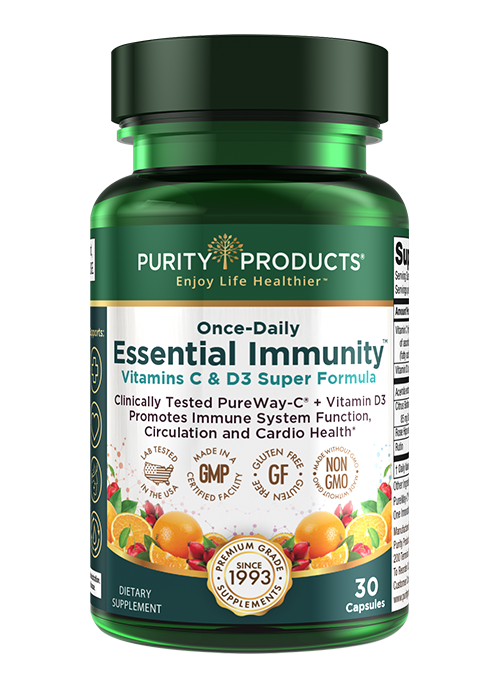
The ultimate health utility player, vitamin C has been linked to general improved immune response and to being helpful against specific conditions like the common cold. It can also help your heart, notes Care2.com. The vitamin has been linked to such favorable health events such as potentially reducing high blood pressure; preventing the hardening of the arteries, lowering cholesterol and repairing damaged arterial walls.

Mushrooms may be good source of vitamin D

Vitamin D has many known benefits. A new study shows that there may be a natural and tasty way for individuals to get this nutritional supplement.

Finding a means beside sun exposure to attain sufficient levels of vitamin D may be helpful. The American Academy of Dermatology notes that ultraviolet radiation from the sun can cause skin cancer to develop. Therefore, finding an alternative source of the vitamin that is part of a healthy diet could be advantageous.

Mushrooms may be a vitamin D source
Boston University Medical Center found that eating mushrooms with vitamin D2 may effectively help increase vitamin D levels as much as taking a supplement of vitamin D2 or vitamin D3.

Researchers claim that mushrooms absorb vitamin D similarly to how human skin does - by being exposed to ultraviolet light. Therefore, any mushrooms that grow under the sun likely attain this nutrient. Additionally, according to the study, these mushrooms produce vitamin D3 and vitamin D4 when exposed to UVB rays.

During the study, researchers surveyed 30 healthy adults. Different members of the study group either took capsules with 2000 International Units of vitamin D2, 2000 IU of vitamin D3 or 2000 IU of mushroom powder. This mushroom extract contained vitamin D2. The participants took these pills once a day.

The results showed that all the participants, whether taking a regular nutritional supplement or a mushroom-based pill, had the same vitamin D levels. In all three groups, the vitamin D levels increased gradually then remained level after seven weeks. Five weeks later, the participants maintained these vitamin levels.

“These results provide evidence that ingesting mushrooms which have been exposed to ultraviolet light and contain vitamin D2, are a good source of vitamin D that can improve the vitamin D status of healthy adults,” Michael Holick, Ph.D., lead investigator of the study, said.

Vitamin D may benefit women
Beside the general health benefits of vitamin D, the nutrient may help women reduce their risk of getting uterine fibroids. The National Institutes of Health recently published a study noting that women who maintained adequate levels of vitamin D decreased their chance of developing fibroids - benign tumors on the uterus - by 32 percent.

“This study adds to a growing body of literature showing the benefits of vitamin D,” Linda Birnbaum, Ph.D, director of the National Institute of Environmental Health Sciences said.

By potentially maintaining substantial levels of vitamin D through a healthy diet that includes mushrooms, individuals may be able to experience these health benefits.

Mediterranean diet may provide health advantage

The Mediterranean diet may offer even more benefits than previously thought, according to a report by the Gerontological Society of America. The “MeDiet” may reduce the risk of hyperuricemia in individuals who adhere to it.

Hyperuricemia is a metabolic disorder characterized by an excess of uric acid in the blood.

Following a Mediterranean diet to inhibit hyperuricemia
The Gerontological Society of America explains that hyperuricemia is associated with a number of health issues including hypertension, type 2 diabetes mellitus, cardiovascular morbidity and chronic kidney disease.

Marta Guasch-Ferre, registered dietician, conducted a five-year study with 11 other researchers to determine if the MeDiet would have benefits for people with hyperuricemia. Over 7,000 elderly participants were in the study group. Men 55 to 80 years old and women 60 to 80 years old followed one of three diets, two of which were Mediterranean-based. The participants either had type 2 diabetes mellitus or a risk of heart disease.

Mediterranean diets, according to the study, consist mainly of fruits and vegetables. Additionally, they are based on nuts, legumes, dairy and poultry. The diet also calls for an optional moderate consumption of wine. Individuals should not consume high quantities of red meat, creams and pastries, but they shouldn’t cut these items out entirely.

The diet has high amounts of antioxidants and anti-inflammatory elements. These properties may contribute to reducing the amount of uric acid in the blood, according to researchers. Therefore the diet may be beneficial in deterring hyperuricemia.

Overall, the results of the study showed that those participants who closely adhered to the MeDiet had an increase in reversion of hyperuricemia. Researchers found that eating legumes specifically inhibited the condition.

Other studies note the benefits of the Mediterranean diet 
According to a recent Newsmax Health report, the New England Journal of Medicine unveiled research suggesting that adhering to a Mediterranean diet may also prevent cancer and heart disease.

“…what we’re finding out is that these people live longer, they have a lower incidence of heart disease, they have a lower incidence of cancer. And this is a very basic diet, one that probably most of us would have followed if we had lived 300 years ago,” Chauncey Crandall, M.D., head of preventive medicine and cardiology services at the Palm Beach Cardiovascular Clinic, told the source.

Choosing a Mediterranean diet may therefore be an easy way for individuals to avoid a number of health risks.

What makes potato chips addictive

Many people may wonder why, when sitting with a bag of potato chips, it seems almost impossible to have only one. The reason for this inability to stop eating may not just be habit: There could be science behind it, found in the food itself.

The danger of junk food
According to a King Features Syndicate column, eating junk food is a real danger. The source notes how people in the U.S. are seemingly addicted to snacks that are high in fat and sugar. In order to deter this, they suggest giving up at least one treat per week and increasing physical activity. Figuring out why these foods are addictive may also be advantageous.

A scientific condition may keep people eating
At a meeting of the American Chemical Society, Tobias Hoch, Ph.D., explained why potato chips may have this effect. Hoch conducted a study that looked into the condition, referred to as “hedonic hyperphagia.”

“It’s recreational over-eating that may occur in almost everyone at some time in life,” Hoch said. “And the chronic form is a key factor in the epidemic of overweight and obesity that here in the U.S. threatens health problems for two out of every three people.”

Hoch, along with other researchers in Erlangen, Germany used rats to test how this over-eating worked. The team gave one half of the rats potato chips to eat and the other half plain rat food.

The researchers looked at the brain activity of these rats to see how their reactions differed based on what they ate. They discovered that the reward and addiction brain centers of the potato chip group were most active.

Previously, researchers believed that fat and carbohydrates made people want to eat. The scientists claim that the levels of both these were the same in the potato chips and the rodent chow. Therefore, something else may have been a culprit.

Though scientists were unable to identify the specific element that accounted for the chip consumption, they did note the effect that it had in the reward centers of rats’ brains. The study concluded that because individuals get reward signals from the food, they feel attracted to it.

Finding the reason behind people’s desire to snack on junk food may help stop this bad habit. According to the Centers for Disease Control and Prevention, about 715,000 people in the U.S. have a heart attack every year. By promoting good health, and eliminating fatty foods like potato chips, more individuals may avoid this issue.

Balancing exercise with making a good dinner

A recent study from Ohio State University showed that Americans are not likely to both make dinner and engage in daily physical exercise. According to the study’s lead author, Rachel Tumin, an OSU student, preparing food for 10 minutes daily caused a lower probability of exercising for those 10 minutes.

The study looked at both men and women, single and married, with or without children.

“As the amount of time men and women spend on food preparation increases, the likelihood that those same people will exercise more decreases. The data suggest that one behavior substitutes for the other,” Tumin said.

The 112,000 adults participating in the survey reported their activities from the previous day. Overall, the survey showed that the average individual, regardless of sex, spent less than an hour both preparing food and exercising everyday.

In the results, 12 percent of women had engaged in some form of cardiovascular activity and 16 percent of men did. Women spent about nine minutes a day doing this activity while men did so for approximately 19 minutes a day. On average, women spent 44 minutes preparing food during the day while men spent 17 minutes doing so.

By looking at statistical models, Tumin and her colleagues saw that a substitution occurred within the participants. Given only a certain amount of time say, after their work-day, Americans have to choose to spend it exercising or preparing dinner.

“If we assume, for example, that adults have 45 minutes of free time to allocate to health-promoting behaviors, maybe we need to look at that holistically and determine the optimal way to use that time,” Tumin said.

The study found that these activities are time-consuming. Therefore, instead of doing both, individuals often can only do one. In theory, exercise and food preparation could go hand-in-hand. For example, an individual might go on a run for 20 minutes and prepare a healthy dinner afterward. The survey showed that for many, there may not be enough time in the day for this.

Finding a balance
Preparing good food and having a healthy diet are important. King 5 News noted that in response to these findings, doctors might remember that a patient only has a certain amount of time every day. These medical specialists may therefore provide tips on squeezing in daily diet and exercise.

According to the Centers for Disease Control and Prevention, almost 47 percent of adults met the CDC’s Physical Activity Guidelines in 2010. If people can find time to do this exercise and eat well by preparing good dinners, they may benefit health-wise.

PLAN 200 – Performance Lifting Advanced Nutrition

New from Purity Products!

A new frontier of targeted, performance elevating nutrition has arrived with the debut of Purity’s P.L.A.N. 200™ Formula. PLAN 200 stands for Performance Lifting Advanced Nutrition, and this innovative formula features clinically validated nutraceuticals, KSM66® Ashwagandha + CereBoost 200. Both of these botanicals are unique in that they are clinically tested, validated and deliver health benefits on a multitude of fronts.